


“This article contains information, not medical advice. The information provided does not replace medical diagnosis, treatment, or advice. Always consult a certified healthcare physician or mental health expert with medical or mental health questions. Avoid delaying medical care because of what you read in this article.”
Understanding Anxiety Disorders: A Guide to Recognition and Recovery
It The incredibly normal to feel afraid from time to time and before a big test everyone is nervous or scared about something they are unfamiliar with. However it may be a sign of an anxiety disorder if you experience severe worry or sadness for an extended period of time and it interferes with your day to day activities. This isn’t something you consider only occasionally. It is a prevalent mental health condition that can be treated that alters a person’s thoughts feelings and behavior.
What Exactly is an Anxiety Disorder?
Anxiety disorders are medical conditions that cause constant worry that worsens over time. These dreadful sensations could make school or staying in touch with friends and family difficult. Remember that anxiousness does not make you weak or bad. It is a real condition with complex environmental, psychological and genetic factors.
Symptoms of anxiety cause constant worry and make living difficult. Beyond regular unease, it contains significant, often irrational concerns about daily matters. The condition can create severe mental and physical symptoms that make daily tasks hard. While remembering that anxiety disorders are medical issues not personality faults. Hereditary brain chemistry and environmental circumstances cause them.
Knowing the Different Types
There are many different types of anxiety disorders and each one has its own set of symptoms Understanding the distinctions can assist in recognizing the need for assistance.
- Generalized Anxiety Disorder (GAD): When you worry too much about ordinary things all the time you may have generalized anxiety disorder GAD. This worry is often more than what is really going on
- Social Anxiety Disorder: This makes you feel like people are always watching you, judging you, or making you feel horrible while you are around other people
- Panic Disorder: Characterized by sudden repeated episodes of intense fear. These panic attacks occur with physical symptoms like a high heart rate chest pain and problems breathing.
- Separation Anxiety Disorder: This is a problem that affects a lot of kids and makes them too scared or anxious when they are apart from people they care about
Specific phobias are when you have a strong illogical fear of a certain thing or scenario like heights or flying.
Recognizing the Signs and Symptoms
Symptoms might be mental and physical at the same time and they often make a cycle that is hard to break without support.
Some common emotional and behavioral symptoms are:
- Always feeling tense, anxious or scared
- Fearing the worst and overthinking
- Restless and tense
- Being irritable and distracted
- Avoiding stressful places or situations
- Physical symptoms are common and can be very upsetting:
- Heart racing, sweating and shaking
- Feeling like you can not breathe or are choking
- Tiredness, headaches and trouble sleeping
- Stomachaches and other difficulties with the digestive system
- Effective Treatment Pathways: Taking Back Charge
The good news is that anxiety problems are easy to treat. Therapy and in certain cases medicines can help people deal with their symptoms and live full productive lives.
Therapy: Getting New Tools
Therapy gives you tools to deal with worry and change the way you think about things. Cognitive Behavioral childhood anxiety treatment is the best way to address anxiety in children. CBT helps people figure out what their thoughts and actions are and how to modify them.
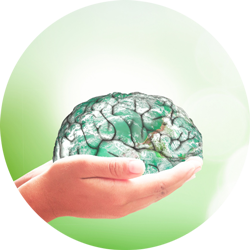
Getting CBT for child anxiety might change a lot for parents. A therapist helps the youngster learn how to deal with things. They learn how to deal with their fears in a safe slow way. Studies have shown that CBT can affect more than just behavior treatment can also modify the brain in ways that can be measured. Brain scans have demonstrated that successful CBT can bring brain activity back to normal in the areas that deal with fear. Studies like Cognitive Behavioral Therapy Alters Brain Activity in Children With Anxiety show that therapy can cause genuine, physical changes in the brain with CBT. This is an interesting area of research on CBT and brain function.
Ways to Live and Get Help
Professional help is very important, however several lifestyle choices might help with recovery:
- While working out often is a terrific method to calm your nerves
- Meditation and mindfulness can help you calm your body and mind
- While eating well and getting enough sleep are good for your mental health
- While having a strong network of family and friends is really important
Final Thoughts
The people with anxiety disorders worry too much and too often which makes it hard for them to live ordinary lives. These disorders have implications but can be successfully addressed. Cognitive Behavioral Therapy is one evidence based strategy that can help people manage their symptoms and feel happier and in charge of their lives. It additionally has the potential to enhance brain function.