


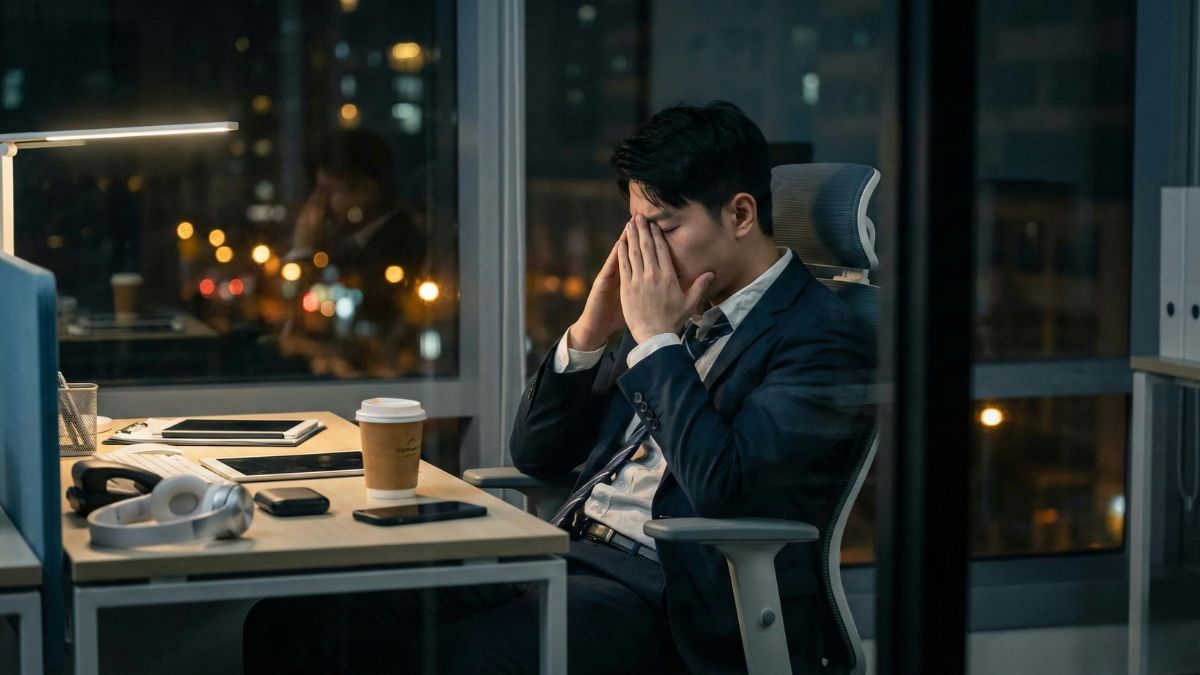
“This article explains how modern digital habits can increase anxiety. It talks about how constant phone use, too much information, and social pressure affect mental health. It also suggests simple ways to stay balanced, build healthier digital habits and reduce anxiety.”
Modern life is quick. Phones buzz, screens glow and information flows. People move from email to social media to work platforms nonstop. Technology has made life easier and more connected but it has also affected our thinking. The change raises worry.
Anxiety often feels woven into everyday routines. It shows up during quiet moments, late at night or even while scrolling through a phone and understanding why this happens begins with looking at how the digital world interacts with the human mind.
Facing Anxiety in Daily Life
Anxiety is normal. It keeps the body vigilant and ready for uncertainty. In some situations, anxiousness is advantageous. It focuses and motivates.
Trouble occurs when anxiety persists. Even at repose the mind feels tension instead of responding to real problems. Thoughts loop, body stays alert, relaxation elusive. Anxiety impacts mood, energy and decision making longer than short term stress.
The Brain and Constant Digital Stimulation
The human brain was not designed to process endless streams of information. Digital life challenges this limit every day. Notifications interrupt attention. News updates compete for focus. Messages arrive faster than the mind can process them.
Over time, this constant stimulation keeps the nervous system active. The brain rarely gets a chance to settle. This ongoing alertness slowly fuels anxiety, even when there is no immediate threat or urgency.
Social Media and Silent Comparison
Social media often highlights success, happiness and achievement. People usually share their best moments, not their struggles. Seeing these images repeatedly can affect self perception.
Even when someone knows these posts do not reflect real life, comparison still happens. Self doubts grow quietly. Anxiety increases when personal worth feels tied to online approval or digital visibility.
Too Much Information and Too Many Options
Access to information offers freedom, but excess creates pressure. Endless options demand constant decisions. What to read. What to respond to. What to ignore.
This mental overload drains energy. Decision fatigue makes simple choices feel heavy. When the mind feels crowded, anxiety becomes more likely to surface and linger.
How Screens Disturb Sleep
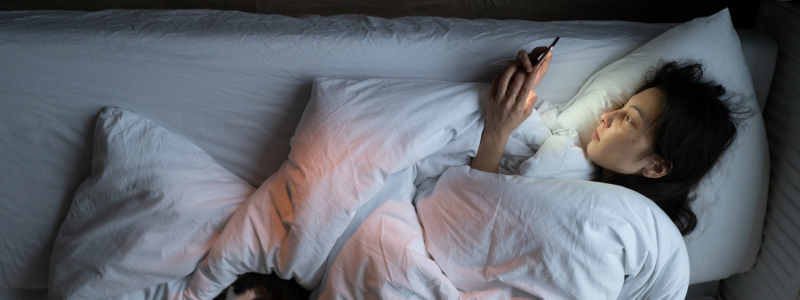
Sleep is important for mental wellness. Digital habits disrupt sleep. Screen light signals the brain to stay awake. Late night scrolling delays rest.
Anxiety rise when the world is quiet. Thoughts that feel louder at night. Poor sleep then increases anxiety the following day. This cycle can repeat for weeks or months without awareness.
Productivity Pressure and Loss of Freedom
Modern culture often rewards constant availability. Messages arrive outside work hours. Response time feels important. Many people struggle to fully disconnect.
This pressure limits mental freedom. When rest feels unearned or delayed, anxiety grows in the background. The mind remains occupied even during downtime, preventing true recovery.
Physical Signs People Often Miss
Anxiety does not live only in thoughts. The body often carries it first. Tight shoulders. Headaches. Digestive discomfort. Fatigue. Restlessness.
These signs are sometimes ignored or treated separately. When physical signals go unnoticed, anxiety continues to build quietly. The connection between mind and body becomes harder to ignore over time.
Becoming Aware of Digital Triggers
Awareness changes everything. Many anxiety triggers are subtle. Certain apps. Specific times of day. Repeated exposure to distressing content.
Noticing patterns helps people understand their emotional responses. Awareness allows choice instead of automatic reaction. This step alone can reduce anxiety significantly.
Building Healthier Digital Habits
Reducing anxiety does not require abandoning technology. It requires intention. Small changes matter. Fewer notifications. Clear boundaries. Screen free moments before sleep.
These adjustments give the nervous system room to relax. Over time, emotional balance improves without disconnecting from modern life.
Finding Balance Instead of Escape
Technology itself is not the enemy. How it is used matters more. Balance allows connection without overload. It creates space for reflection, creativity and calm.
When digital tools support life rather than control it, anxiety often eases. Freedom returns through choice and awareness.
When Anxiety Needs Extra Support
Sometimes the anxiety remains despite lifestyle changes. If anxiety interferes with sleep, relationships or daily functioning, support can help. Seeking guidance is a sign of strength.
Professional care offers clarity and tools that fit individual needs. Open conversations reduce stigma and encourage healthier coping.
Conclusion
In a world that moves quickly online, anxiety is easier to see. The mind’s response to stress is shaped by constant stimulus, comparison and too much information. Knowing these things gives you power.
Connected without being overwhelmed if you are aware, balanced and supported. Anxiety does not have to be a part of everyday life. Making thoughtful choices can bring back peace, clarity and emotional freedom.
Disclaimer
People who are feeling anxious and emotionally devastated should consult a doctor for a correct diagnosis and treatment choices. The information provided here is for informational purposes only.