





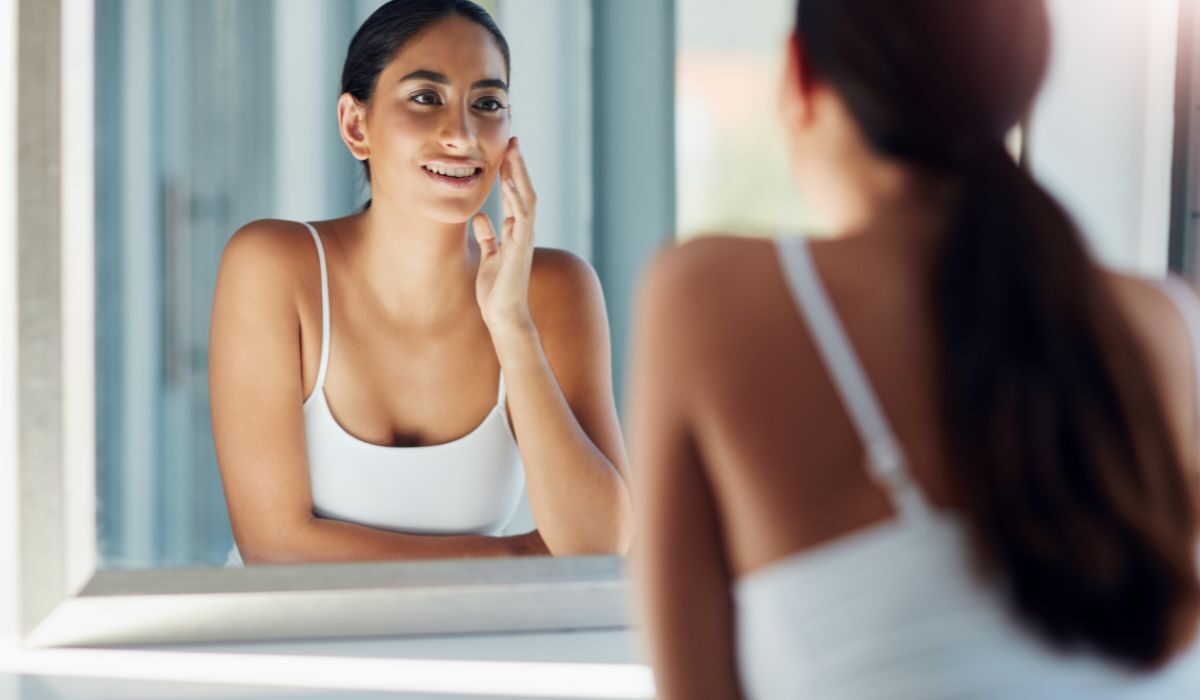
“This article provides a practical, science backed guide to achieving radiant skin by prioritizing barrier health over complex routines. It covers essential ingredients like Vitamin C and Retinoids the double cleansing method and the vital role of lifestyle habits in skin luminosity.”
We have all seen that specific kind of skin that looks like it’s being lit by a permanent sunset. In the beauty world, we call it the glow. But if you strip away the marketing fluff and the complex 12-step tutorials, radiance is actually just a biological byproduct of two things: a smooth surface and deep hydration.
When your skin is rough or dehydrated, light hits it and scatters. It’s like looking at a dusty mirror. When your skin is healthy and properly exfoliated, light bounces right back at the viewer. Achieving this is not about buying the most expensive cream on the shelf it is about understanding the synergy between your skin barrier and your daily habits. Here is the unfiltered truth about building a skincare routine that actually delivers.
1. The Reality of the Glow
Before we dive into products, we need to manage expectations. Glowing doesn’t mean being poreless or texture free. Real, healthy skin has visible pores and fine lines. The radiance we are hunting for comes from skincare for healthy glowing skin that focuses on light reflection rather than hiding imperfections.
Skin becomes sluggish with age. Dead skin cells stay on the surface longer, turning it gray. We want to gently push those cells aside and flood the new ones with water. A game of cell turnover and moisture retention.
2. The Three Non-Negotiables
If you do nothing else, focus on these three pillars. Everything else is just a nice-to-have addition.
The Double Cleanse Don’t Skip This
If you wear SPF or makeup, a single wash with foaming cleanser usually is not enough. You are likely just moving the dirt around. Start with oil based balm or a simple micellar water to break down the gunk that clogs pores. Follow it with a gentle, milky or gel cleanser to actually clean the skin. This creates a fresh canvas so your active ingredients do not just sit on top of old makeup.
Chemical Over Physical Exfoliation
Forget the abrasive walnut scrubs of the early 2000s. They often create micro-tears that ruin your barrier. Instead, look for AHAs, Alpha Hydroxy Acids. Lactic acid is the goldilocks of glowing skin tips it is strong enough to dissolve dead skin but gentle enough to hydrate at the same time. Use it twice a week and you will see a difference in texture almost immediately.
The Seal
You can not stay hydrated by spraying water on your face. Emollients like squalane or ceramides lock water with humectants like glycerin or hyaluronic acid. The air will evaporate moisture from your face without a seal, drying you out.
3. The Power Players: Ingredients That Matter
The skincare market is oversaturated. You do not need twenty bottles; you need a few specific ingredients that do the heavy lifting.
- Vitamin C: Think of this as your skin’s morning coffee and its bodyguard. It brightens dark spots and defends you against the environmental pollution that turns skin sallow.
- Niacinamide: This is the peacekeeper ingredient. It calms redness, shrinks the look of pores and plays well with almost everything else in your cabinet.
- Hyaluronic Acid: This is for the plump factor. It is not a traditional stripping acid; it is a moisture magnet. Apply it to damp skin never dry for the best results.
- Retinoids: This is the long game. It tells your skin cells to behave like they did when you were younger. It is the single best way to maintain skincare results over decades, not just days. Using these effectively is a cornerstone of how to prevent premature aging, ensuring your skin stays firm while it glows.
4. A No-Nonsense Daily Schedule
Stop overcomplicating the process. Your skin thrives on routine, not surprises.
The AM Strategy: Defend
- Cleanse: Use just a splash of water or a very mild cleanser.
- Brighten: Apply your Vitamin C serum
- Moisturize: Choose basic, lightweight lotion
- SPF: If you skip this, the rest of your routine is a waste of money. UV rays are the primary glow-killer
The PM Strategy: Repair
- Double Cleanse: Get day off your face
- Treat: This is where you use active Retinol or Exfoliating acids. Pick one; do not layer them
- Recover: Apply a thick, nourishing cream that supports your skin’s natural repair cycle while you sleep
5. The Lifestyle Factor: The Stuff You Cannot Buy
You spend hundreds on serum, but if you are dehydrated and sleep deprived, it will not show.
Sugar can ruin a shine. High sugar intake causes inflammation, which might cause dullness or breakouts. Eat water, cucumbers, berries and avocado. These help build a stronger skin barrier from the inside out.
Sleep and Stress: Cortisol the stress hormone is a nightmare for your skin. It breaks down collagen and slows down healing. Getting seven to eight hours of sleep is not just a suggestion; it is when your skin does its cellular heavy lifting. There is a reason it is called beauty sleep.
6. Where Most People Go Wrong
The biggest mistake people make in pursuit of the best skincare routine for radiant skin is Product Overload. We see a trending product on social media and add it to the pile without checking if it clashes with our current routine.
If your face feels tight, looks red, or stings when you apply basic moisturizer, your barrier is likely compromised. When the barrier is broken, you cannot glow. More is not better; consistent is better. Also, do not forget your neck. There is nothing more distracting than a glowing face paired with a dull, sun damaged neck.
Conclusion
We live in a world of instant gratification, but biology moves slowly. It takes about month for your skin to complete a full cycle of renewal. If you start new skincare routine for glowing skin today, do not judge its effectiveness until at least six weeks from now.
Radiance is not about achieving perfection it is about being healthy. Find a routine you actually enjoy doing, stick to it and the glow will follow naturally.
Disclaimer
This content is for informational purposes only and does not substitute professional medical advice. Always consult a dermatologist before starting new treatments. Individual results may vary and the author is not liable for any adverse reactions to products or routines mentioned.