




“This article explores how nutrition serves as the foundation for fertility. By prioritizing stable blood sugar, healthy fats and essential vitamins for fertility like iron and ovulation support both men and women can optimize their hormonal health and reproductive success.”
Health discussions frequently involve the heart, scales or blood pressure cuff. We contemplate weight loss or cholesterol reduction. Reproductive health is a quieter, more complex process that may be more affected by lifestyle than any other system. Nutrition fuels fertility, whether you’re attempting to conceive or just balancing hormones.
Superfood marketing can be confusing. Nutrition and fertility research rarely involves a single miracle ingredient, yet exotic berries are often touted as the key to pregnancy. The biological environment you develop in your body over time is what matters. The development of eggs and sperm takes months. Every meal is essential for cell growth during that time.
The Invisible Bridge: Insulin and Your Cycle
To understand reproductive health, you must start with the pancreas. Most people do not realize that the hormone managing your blood sugar insulin is a direct neighbor to the hormones managing your ovaries. When a diet is heavy in refined flour, white sugar and processed snacks, blood sugar spikes rapidly. The pancreas responds by pumping out insulin to handle the surge and over time, your cells can become resistant to these signals.
This insulin resistance is major silent contributor to infertility. High insulin levels signal the ovaries to produce more testosterone than is necessary. This creates hormonal imbalance where the signal to release an egg never quite gets through. By shifting toward complex carbohydrates such as lentils, chickpeas and steel cut oats you keep your blood sugar on gentle wave rather than jagged mountain range. This stability is first step in ensuring a regular and predictable cycle.
The Power Players: Why Micronutrients Matter
While we focus on calories, micronutrients are crucial for reproduction. Iron and ovulation are often ignored in this chain. Clinical findings reveal that women who ingest enough non heme iron from beans, spinach and fortified cereals have a considerably decreased risk of ovulatory failure, a cycle in which the body does not release an egg.
Iron is the primary vehicle for oxygen. If reproductive organs are deprived of oxygen because iron stores are depleted, the body will prioritize the heart and lungs every time. It views reproduction as a luxury function; if the resources are absent, the system simply stalls.
Beyond iron, a specific set of vitamins for fertility acts as the maintenance crew for your DNA:
- Folate B9: While famous for preventing birth defects, it is equally crucial for egg quality and proper cellular division during the earliest stages of conception
- Vitamin B12: This is a secret weapon for sperm count and motility, ensuring the genetic material is robust and mobile
- Vitamin D: Though labeled a vitamin, it behaves like a pro hormone. It helps regulate estrogen and plays a major role in how well an embryo can implant in the uterine lining
- Antioxidants Vitamins C and E: These protect cells from oxidative stress. Think of them as a shield that prevents the premature aging of eggs and sperm
The Fat Fallacy: Why Low Fat Is Not Always Better
Fat was demonized for decades. Estrogen, progesterone and testosterone are generated from cholesterol and good fats. Too low fat intake is like building a structure with no materials.
Choosing good sources is crucial. Walnuts, chia seeds and wild salmon provide omega 3 fatty acids, which increase pelvic blood flow and fluid cell membranes. Trans fats, the hydrogenated oils in packaged baked goods, promote inflammation and have been linked to infertility.
Reproductive science has a unique full fat dairy finding. Many choose skim milk to conserve calories, but study suggests that removing fat from dairy removes ovulation supporting hormones. Full fat yogurt or whole milk may be better for reproductive health than fat free.
Male Fertility: The Often Forgotten 50%
Reproductive health is often seen as a female issue, although it has two sides. New sperm production takes 74 days for men. His diet determines how those cells shape and perform during those two and a half months.
Sperm cells are weak and vulnerable to free radicals and environmental contaminants. Antioxidants matter here. A diet rich in colorful veggies and almonds helps men protect sperm DNA. The tail and shell of sperm depend on zinc and selenium. Sperm cannot survive the conception journey without zinc.
Practical Steps: The FertilityFriendly Plate
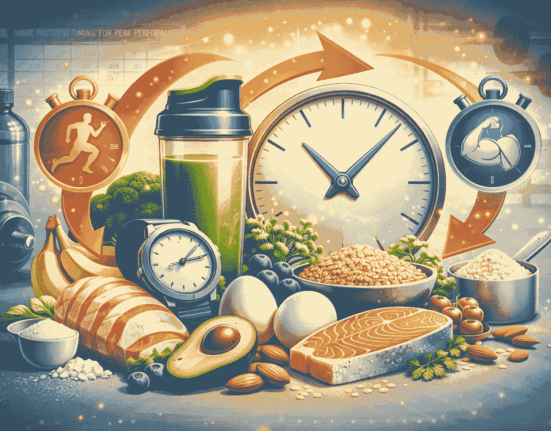
What does this look like in reality? Consistently eating fertility boosting foods is more important than a perfect diet.
A variety of colorful vegetables on half your plate boosts antioxidants. Use beans and nuts a few times a week to get non heme iron without the inflammatory signs of heavy red meats. Remember to hydrate. Cervical mucus, which protects sperm, is mostly water for women. Dehydration severely reduces male sperm volume and concentration.
Hidden Obstacles: Toxins and Packaging
We must also consider what is on our food. Many modern pesticides and plastics contain endocrine disruptors. These chemicals are shaped like your natural hormones and can latch onto your hormone receptors, giving your body incorrect instructions.
Whenever possible, try to buy the Dirty Dozen the fruits and vegetables most prone to pesticide residue in organic form. Additionally, swapping plastic storage containers for glass especially when heating food prevents chemicals like BPA from leaching into your meals and interfering with your endocrine system.
The 90 Day Window
The most crucial thing is that you play long term. Due to egg and sperm maturation, your food adjustments today will not fully benefit your reproductive health for three months.
Think of your body as a garden. In dry soil, seeds cannot be planted and collected quickly. Working the soil, fertilizing and ensuring water takes weeks. Focusing on nutrition now ensures future health. Your body and future family will appreciate this gradual investment.
Disclaimer
Informational only; not medical advice. Consult a doctor or nutritionist before making major dietary changes or starting supplements for reproductive health or medical disorders.