




“This article is for informational purposes only and does not constitute medical advice. The content is not intended to be a substitute for professional medical advice, diagnosis, or treatment. Always seek the advice of your physician or other qualified health provider with any questions you may have regarding a medical condition.”
A Journey to Wellness: Exploring 5 Foundational Ways to Live a Healthy Life
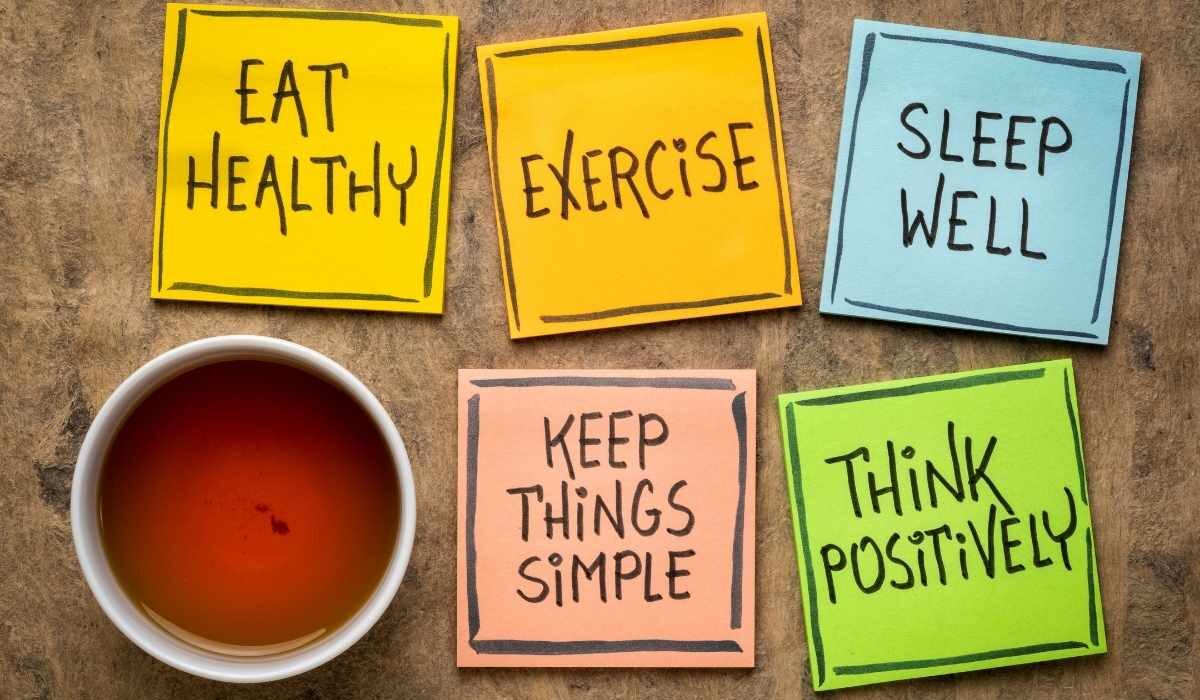
Choosing to start down the path to greater health is a very personal and strong decision. True health is more than just not being sick it is a state of physical, mental and social well-being. This trip is not about being perfect. It’s about making decisions that are consistent and thoughtful which will help you live a strong and full life. Let’s look at five important areas where minor long lasting adjustments can have big effects.
1. Nourish Your Body with Whole Foods
Think of food as both medicine and fuel. What you consume has a direct effect on your energy, mood, and health in the long run.
Eating whole foods is one of the most important things you can do for your health. Eat a lot of different colorful fruits and veggies, lean meats, and healthy fats. These foods are full of nutrients and give you energy, vitamins, and minerals while lowering inflammation. This method helps with general health and can be especially helpful for controlling certain illnesses. Think of food as fuel and make smart choices that will help you build a strong, healthy body from the inside out for a long time.
Steps to Take:
- Put plants first. Put a lot of bright fruits and vegetables on half of your plate.
- Pick fish, poultry, beans, and lentils as your lean proteins.
- Add healthy fats to your diet by eating avocados, almonds, and olive oil.
- Drink enough water. Drink water all day long. Cut back on drinks with sugar.
- Eat mindfully. Listen to your body when it’s hungry and enjoy your meals.
This method is good for your health in general and can help with certain illnesses. For example, a balanced diet can be very important for treating neurological problems and migraines since some foods may help lower inflammation, which is a known culprit.
2. Move Your Body Regularly
Being active is really important for good health. It makes your heart stronger, lifts your spirits, gives you more energy, and helps you keep a healthy weight.
- Things to Do: Find things you like to do. It could be swimming, hiking, dancing, or biking.
- Try to get at least 150 minutes of moderate-intensity exercise per week.
- Add strength exercise to your routine twice a week to build muscle and keep your bones healthy.
- Take small walks or do some exercises to break up extended periods of sitting.
Keep in mind that consistency is more important than intensity. Walking for 20 minutes every day is better for you than working out hard once a month.
3. Prioritize Restorative Sleep
Sleep is a must for good health. It is when your body fixes itself and your mind thinks about what happened that day. Not getting enough sleep for a long time might weaken your immune system and make it harder for your brain to work.
- Steps to Take: Set a regular sleep routine, including on weekends.
- Make a sleep ritual that helps you relax. Take a warm bath, read a book, or do some moderate stretching.
- Make sure your bedroom is dark, chilly, and quiet.
- Don’t look at screens for at least an hour before bed. The blue light can stop the body from making melatonin.
Good sleep is especially crucial for dealing with complicated migraine-related symptoms because exhaustion is a typical cause.
4. Cultivate Your Mental and Emotional Well-being

A healthy mind is equally as important as a healthy body. It’s important to know how to deal with stress and develop good mental habits.
- What to Do: Spend 5 to 10 minutes a day being aware or meditating.
- Talk to other people. Having strong social ties is important for being emotionally strong.
- To keep your time and energy safe, set appropriate limits.
- Do things you enjoy and that make you feel like you’ve accomplished something.
Be careful about how much you use your digital devices. Articles like “The Impact of Social Media on Mental Well-Being: Is It Helping or Hurting?” talk about how being constantly connected can have a big effect on anxiety and self-esteem. Take breaks from technology and pick and choose what you see on your feed.
Stress management is not only helpful for people with chronic migraine syndromes or vestibular migraine syndrome; it is also an important aspect of a full treatment strategy.
5. Build a Supportive Healthcare Partnership
To be proactive about your health, you need to work with professionals. Regular checkups and talking to your doctor about any problems you might have might help you keep ahead of them.
A supportive healthcare relationship includes collaborating with your doctors and other medical providers to be healthy. It means that you can communicate to your doctor have regular checkups and be a part of decisions regarding your health. Be ready with questions and be honest about how you feel and how you live when you go to your checks. This team-based method makes sure you get personalized preventive care that helps you deal with your present illnesses and find future ones early. It makes your health journey a group effort instead of something you accomplish on your own.
Steps You Can Take:
- Set up yearly checkups and screenings that are right for their age.
- Don’t overlook symptoms that don’t go away. Take care of health problems as soon as possible.
- Bring questions and notes with you to appointments.
- Tell your provider the truth about your life and the problems you face.
- To properly manage any persistent health issue, it’s important to have a good relationship with your doctor.
Conclusion
A healthy life is a journey that never ends and is based on behaviors that are good for your nutrition exercise sleep mental health and proactive health management. You may develop a long lasting base of strength and health by combining these five pillars. Making simple consistent choices in these important areas has a big impact on your overall health and happiness.