
“This guide explores transforming your home into a sanctuary by using science backed anxiety relief exercises. From Vagus nerve resets to sensory grounding and mindful decluttering, these practical home relaxation techniques help retrain your nervous system to find lasting internal calm.”
The modern home is a paradox. It is designed to be a sanctuary a place of rest, recovery and safety. Yet, for many of us, the four walls of living space are exactly where anxiety feels most claustrophobic. Between the ping of work emails on the sofa and the mounting pile of laundry in the corner, the home can quickly transform from a refuge into a pressure cooker of to do lists and what if scenarios.
Anxiety at home can feel like an unwelcome intruder. Managing this emotion requires ongoing treatment. Build a wide toolkit of home relaxation techniques that target the mind and body concurrently. You may teach your nervous system to see your house as a haven by focusing on regulation rather than perfection.
The Physiology of Quiet: Anxiety Relief Exercises
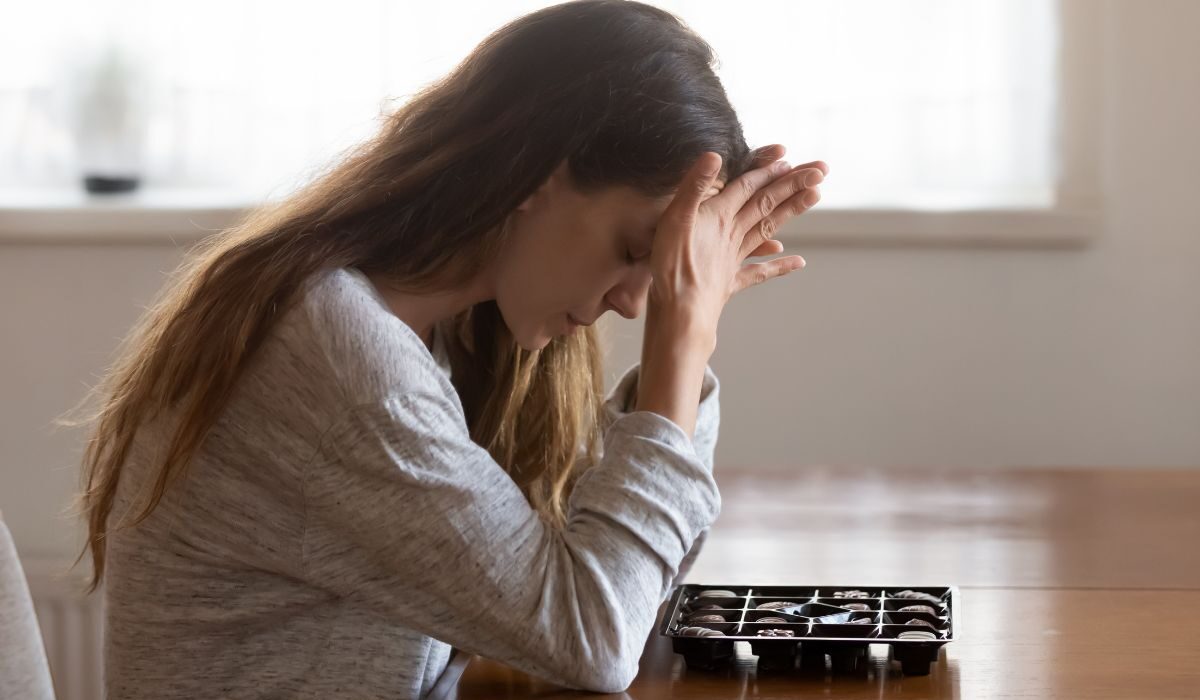
To stop anxiety, we must comprehend its language. Whether you are dealing with generalized stress or specific anxiety disorders, the physical result is the same: the activation of the sympathetic nervous system or fight or flight reaction.
The longest cranial nerve, the Vagus, connects the brain and intestines. You can cheat this mechanism with cold water immersion. A 30 second splash of ice water on your face activates the mammalian diving reflex, slowing the pulse rate and directing blood to the brain. A biological reset button can stop a panic episode in seconds.
Progressive Muscle Relaxation PMR can soothe chilly water. This technique entails tensing your toes or shoulders as hard as possible for five seconds, then releasing. As you work up your body, tension and release signals to your brain that the threat is over and you may relax.
Breathing of course remains a cornerstone of physiological regulation. However not all breathing is created equal. While Box Breathing inhaling holding exhaling and holding for four seconds each is excellent for focus the 4 7 8 method is superior for pure relaxation. By making the exhale longer than the inhale you force the heart rate to drop. It is a simple invisible tool you can use while sitting on your couch or lying in bed.
Tactile & Sensory Grounding
The past and future breed anxiety. It lives in tomorrow’s what ifs and yesterday’s I shouldn’ts. Stay in the now to find relief. Sensory stress relief activities help here. They anchor your wandering thoughts to reality.
Gold standard cognitive tool: 5 4 3 2 1 grounding. Stop and list five things you can see, four you can touch, three you can hear, two you can smell and one you can taste. Forced observation breaks the worry loop by directing brain processing to sensory data rather than worried projections.
For worried floaters or dissociators, proprioceptive input or intensive effort is necessary. Activities that stress joints and muscles. Weighted blankets provide Deep Pressure Stimulation which boosts serotonin and lowers cortisol. Even without a weighted blanket pressing against a wall or shifting a hefty bookshelf can ground you.
Remember that the olfactory bulb is closely connected to the amygdala and hippocampus, the brain’s emotional centers. A scent library at home, using lavender and bergamot essential oils or fresh coffee, might induce Pavlovian calm. As your brain identifies these fragrances with relaxation, they become more effective with each use.
Domestic Zen: Calming Activities for Anxiety
Our external environment often mirrors our internal state. When our home is cluttered our minds feel cluttered. However the prospect of cleaning an entire house can be massive source of anxiety in itself. The key is to engage calming activities for anxiety that focus on small manageable micro wins.
The One Drawer Rule is a perfect example. Instead of tackling the kitchen, tackle one drawer. Organize the cutlery or toss out old receipts. This provides a tangible sense of agency and visual order without the overwhelm. The rhythmic, repetitive nature of sorting and cleaning can be incredibly meditative turning a chore into a tool for mindfulness.
Creativity is another powerful outlet but it must be low stakes. High pressure hobbies can actually increase stress if you are focused on the result. Instead, engage in bad art. Use an adult coloring book mold a piece of clay without trying to make a specific shape, or try morning pages three pages of stream of consciousness writing where you dump every anxious thought onto paper. Once the thoughts are on the page they no longer have to live in your head.
Movement as Medicine
Wild animals shudder after a predator attack. This biological process releases adrenaline or survival energy. Humans commonly skip stage storing energy as persistent stress. Somatic shaking is novel yet effective home anxiety treatment. Simply stand and shake your arms, legs, and chest for two minutes. Though stupid it sends a powerful message to your neurological system that the chase is finished.
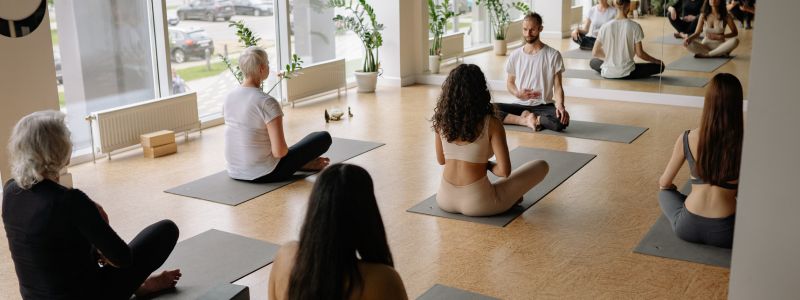
Restorative yoga is gentler if you prefer structure. Restorative poses emphasize calmness, unlike strenuous activity which can imitate anxiety’s fast heart rate. Legs Up the Wall Viparita Karani may be the best anxiety pose. Reverses blood flow soothes the nervous system, and requires little flexibility.
Have restless energy? Try the Kitchen Dance. Play a pleasant or powerful tune and move without judgment. Rhythmic activity especially with music releases dopamine and endorphins, which counteract stress.
The Maintenance Mindset
Most importantly anxiety relief is not linear. On some days, 4 7 8 breathing feels like a miracle, on others like nothing. This is not a technique failure; it’s human nature.
Intensity is less valuable than consistency. Five minutes a day on these home relaxation techniques is much more helpful than two hours a month. Consider these activities as quiet bank deposits. When you are overwhelmed, they will be easier to use if you practice them when you are okay.
Be kind to yourself. Anxiety is an overreactive physiological response to protect you. Treat your home as a relaxation lab instead of a prison to steadily lower the noise and achieve serenity.
Disclaimer
This content is for informational purposes only and does not substitute professional medical advice. Always consult a healthcare provider or mental health specialist regarding anxiety or other conditions. If you are experiencing a crisis, please seek immediate professional assistance.