




“Modern parenthood often lacks true presence. This article explores strengthening bonds through micro-moments and intentionally quality family time. By prioritizing emotional connection and active parent child communication, parents can build a secure foundation that fosters lifelong resilience and generational health.”
In the modern landscape of parenthood, we are living through a strange contradiction. By almost any metric, we are around our children more than previous generations. Between the rise of remote work and the end of the play outside until the streetlights come on era, we are physically present for a staggering number of hours. Yet, many parents feel a persistent, nagging sense of disconnection. We occupy the same room, but our attention is often fractured across browser tabs and mental to-do lists. To bridge this gap, parents must learn the art of balancing parenthood and self-care. By finding time for yourself, you clear the mental clutter that prevents you from being truly with your child.
This gap is where quality time becomes more than just a buzzword. It is the difference between supervising a child and actually being with them. Quality time acts as the nervous system of the family unit. It is the invisible thread that transmits your values, builds a child’s confidence and creates a sense of safety that remains long after they have left the nest.
The Science of the Emotional Anchor
Strengthening bonds isn’t just about warm, fuzzy sentiments; there is hard biology at work. A child’s brain is designed to seek parental cooperation. When a parent is present and responsive, the child’s developing nervous system feels protected. This stable bond offers a lifelong psychological anchor.
Call this attachment a blueprint. This internal map will guide a child’s relationships with friends, lovers and children. Children who grow up with a stable, warm family link believe they are worthy of being heard. It does not make you sticky, this emotional connection. A child with a home that is stable base is more likely to take risks and explore because they know where to refuel.
Barriers to Presence in 2026
Being a present parent in 2026 is an uphill battle against technostress. The line between work time and home time has blurred to the point of disappearing. Then there is phubbing the habit of snubbing the person in front of you for the screen in your hand. Even a phone sitting face down on a dinner table acts as a distraction, representing a portal to a million places that aren’t here.
There is also immense pressure to perform perfect parenthood. Social media encourages us to curate filtered versions of family life, making us feel like failures if our Saturday afternoon is not a high production event. Ironically, while we are busy trying to capture the perfect photo of a moment, we usually miss the experience itself. Authentic connection happens in the unscripted bits: the messy car rides, the burnt toast and quiet minutes before sleep.
Strategies for Intentional Quality Family Time
Reclaiming the day’s hinges takes less than a lifestyle change to reconnect. Focus on the first five minutes after your child wakes up, after school and before bed. Children’s emotional guards drop at these transitions. Giving them your full attention at these brief moments improves the day.
Small, consistent routines sustain quality family time beyond those occasions. Possibly a Sunday morning pancake recipe or a secret handshake before soccer practice. Rituals build family culture. The youngster is told, This is how we do things; you belong.
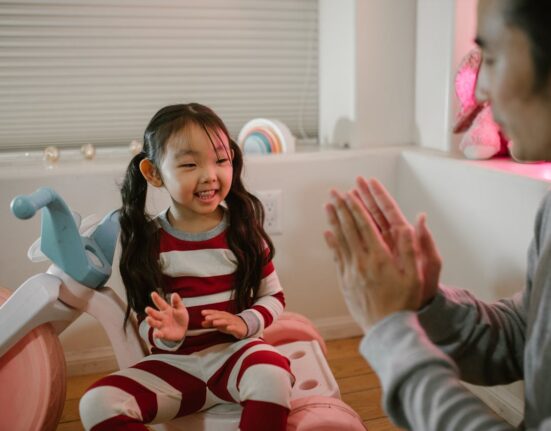
Child-led play also changes things. This involves getting on the floor and letting them decide. You show that their creativity and hobbies matter when you enter their world without trying to teach or reprimand them.
Mastering Parent Child Communication

Real parent child communication is less about lecturing and more about the art of the deep listen. As parents, our default setting is often fix it mode. When a child complains about a friend or a difficult test, we want to solve the problem immediately. However, most of the time, kids just want to feel validated. They need to know that their feelings even the dramatic ones are respected.
Instead of How’s your day? This generally prompts a one word response, so try asking, What made you chuckle today? What was the most irritating event? Becoming comfortable with shared silence is crucial. Sitting next to each other, working on various activities but anchored by each other, can create the strongest emotional connection.
The Legacy Effect: Long Term Benefits
The time spent playing blocks or sitting on the edge of a bed at 9:00 PM is the most significant investment a parent can make. For a child, a strong connection is a shield. When they encounter the inevitable storms of adolescence peer pressure, academic stress, or social media drama they have a safe harbor to return to. They do not need to seek validation in destructive places because their tank is already full at home.
These findings are consistent: children with good parental relationships had lower anxiety and depression rates. They improve empathy and emotional management. Generational cycle benefits may be greatest. Being present for your kids today teaches them to be loving adults. Your gift will be passed down to your grandchildren.
Conclusion
Parenthood is a marathon and it is okay if you have had a season where you felt checked out. The relationship with your child is a living thing that can always grow. You don’t have to be a perfect parent to have a great relationship; you simply have to be an available one.
Connection starts with small choices. It starts with putting your phone in a drawer, sitting on the floor and truly looking at your child when they speak. Quality family time isn’t about grand gestures; it’s about the consistent choice to be present. By strengthening bonds through these daily acts of attention, you are building a foundation that will hold steady for a lifetime.
Disclaimer
Parenthood and bonding are discussed in this blog for educational purposes only. It does not replace pediatric or mental health counseling. Discuss family or behavioral issues with a professional.