

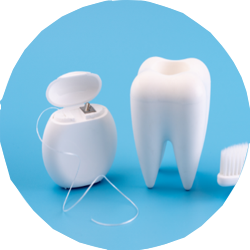




“This article explores how dental health is built from the inside out. By prioritizing nutrient dense, tooth strengthening foods like cheese and leafy greens you can neutralize acid, remineralize enamel and reduce inflammation for naturally healthier teeth and stronger gums.”
Most of us view oral hygiene as a chore involving plastic tools and minty pastes. We scrub, we floss and we rinse, usually focusing on cleaning away the bad. But here is the secret most dentists do not have time to explain during a ten minute cleaning: your mouth is a living ecosystem, not a porcelain sink. Your teeth are dynamic organs that are constantly trading stuff with your saliva.
When you eat, you are not just filling your stomach; you are either feeding the bacteria that dissolve your enamel or providing the raw materials to rebuild it. To get a handle on your dental health, you have to look past the toothbrush and toward the pantry. By choosing the right tooth strengthening foods, you can actually flip the switch from decay to repair.
1. Hard Cheeses: The Five Minute Acid Buffer
Cheese is the undisputed heavyweight champion of healthy foods for teeth. If you’ve ever wondered why some cultures serve a cheese plate at the end of a meal, there is a brilliant biological reason behind it.
First, cheese is a concentrated source of calcium and phosphate. These aren’t just good for bones; they are the literal building blocks of your enamel. More importantly, cheese acts as a chemical shield. Every time you eat a carb or a sugar, the pH level in your mouth drops into the danger zone, where your teeth actually start to dissolve. A simple cube of cheddar or parmesan can helps restore oral pH toward a neutral range. almost instantly. It also triggers saliva and leaves behind a protein called casein that wraps your teeth in a protective film.
2. Fatty Fish: The Glue for Your Calcium
You could swallow calcium supplements all day long, but they won’t do a bit of good for teeth if they never reach them. This is where fatty fish like salmon, mackerel and sardines come into play. These are some of the only natural sources of Vitamin D, which acts like the catalyst that allows your body to actually absorb and use calcium.
Beyond the stuff, these fish are loaded with Omega 3 fatty acids. Think of Omega 3s as a soothing balm for your mouth. Most adult tooth loss is not caused by cavities, but by gum disease a state of constant, angry inflammation. By eating fish, you’re lowering that systemic heat, making these some of the best foods for dental health and longevity.
3. Carrots and Celery: Nature’s Roughage
Raw carrots are ideal after lunch if you don’t have a toothbrush. Breaking down these thick, crisp vegetables is hard. Chewing removes plaque and food debris before it hardens into tartar like a mild abrasive.
This aggressive chewing also works the salivary glands hard. Saliva is a liquid defense system with enzymes that destroy bacteria and stuff that repair enamel damage. Crunchy roots clean your mouth thoroughly by scraping away plaque. Of course, this natural cleaning is most effective when teeth are properly aligned. If you are currently using clear aligners to fix crowding, you may be curious about how long it takes for Invisalign to work so you can get back to enjoying these crunchy snacks with ease.
4. The Apple a Day Myth With a Twist
Apples often get a bad rap in dental circles because they contain natural sugar and acid. However, when eaten whole, they are incredibly beneficial. The high fiber content massages the gums, which increases blood flow to tissues and keeps them tight against the teeth.
The trick is the detergent effect. The mechanical action of biting through a crisp apple skin helps clean the tight spaces between teeth. Just make sure to follow it with a quick sip of water to rinse away the fruit acid and you have got a portable, edible cleaning tool.
5. Leafy Greens: The Foliage for Your Gums
Spinach, kale and collard greens are gum healthy unseen heroes. Folic acid Vitamin B9, which promotes gum tissue formation, is abundant in them. People with low B9 levels have greater gum bleeding and slower healing.
Greens’ nitrates are turned into nitric oxide by beneficial oral bacteria, according to recent studies. Its inherent antibacterial properties prevent harmful germs from creating foul breath or gingivitis. It’s like growing a weed free garden in your mouth.
6. Green and Black Tea: The Polyphenol Shield
While people worry about tea stains, the chemical benefits are too good to ignore. Unsweetened teas are rich in polyphenol antioxidant compounds that act like a cloaking device for your teeth. They make it much harder for bacteria to stick to the enamel and form the sticky colonies we call plaque.
Green tea has powerful anti inflammatory catechins. Drinking green tea daily might reduce redness and swelling. In fluoridated areas, making tea with it doubles the enamel hardening effect.
7. Shiitake Mushrooms: The Smart Germ Killers
Shiitake mushrooms contain a very specific sugar called lentinan. Most sugars feed the bacteria that cause cavities, but lentinan does the opposite. It is a selective antimicrobial. It seeks out the Streptococcus mutans the main culprit behind tooth decay and inhibits its growth, while leaving the helpful, protective bacteria alone.
This is a massive deal for your oral microbiome. You do not want a sterile mouth and you want a balanced one. Shiitakes are unusual among gum protective foods because they maintain balance. Unlike conventional antibiotics, they preserve beneficial flora.
The How is Just as Important as the What
To get the most out of these foods, you have to change your habits. The biggest enemy of dental health isn’t just sugar it is frequency. If you snack all day, your mouth stays acidic. By eating these seven foods during structured meals, you give your saliva quiet time to do its job and rebuild your enamel.
Finally, never underestimate water. Dehydration leads to a dry mouth and a dry mouth is a breeding ground for rot. Keep the water flowing to ensure your natural toothpaste saliva is always being produced at peak volume.
Conclusion
When you shop for groceries, realize that you’re also buying your next dental report card. By eating these seven tooth strengthening foods, you build a foundation that no toothbrush can. The kitchen, not simply the bathroom, builds your smile.
Consistent consumption of these nutrient dense items creates a feedback loop: stronger gums lead to less inflammation and stronger enamel leads to fewer cavities. This holistic approach pays off every time you visit the dentist.
Disclaimer
This content is for informational purposes only and does not replace professional medical or dental advice. Always consult your dentist or healthcare provider regarding specific dietary changes or oral health conditions. Results may vary based on individual hygiene habits.



Leave feedback about this
You must be logged in to post a comment.